

Adaptability is an Asset
- Apr 27
- 2 min read
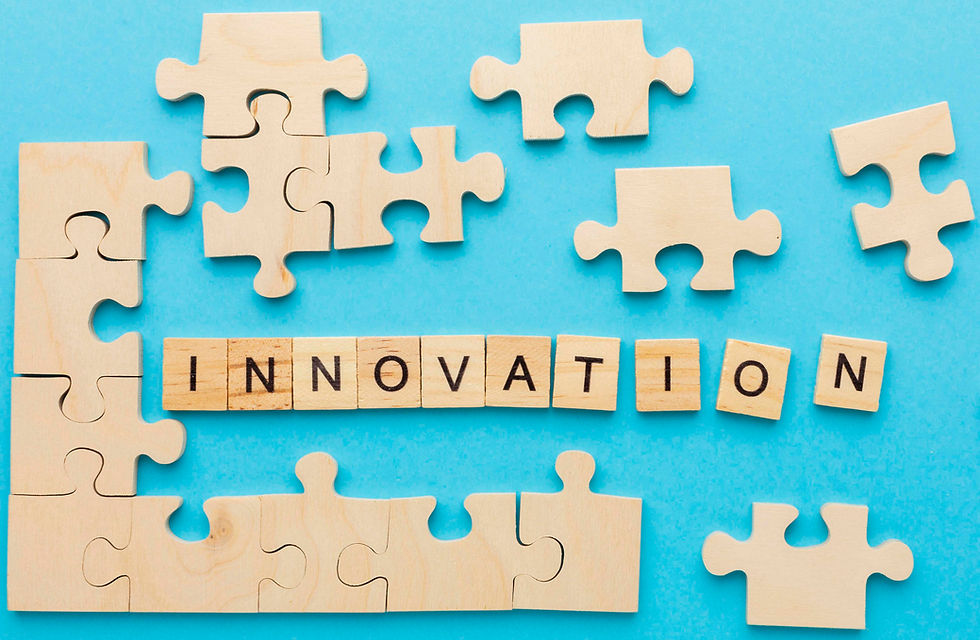
Embracing change isn’t just a feel-good idea, it’s a practical advantage in both your personal life and your career. The people who benefit most from change aren’t the ones who love it; they’re the ones who learn how to work with it instead of resisting it.
Personally, embracing change builds resilience and confidence.
When you face change head-on, whether it’s moving to a new location, shifting relationships, or rethinking your goals, you prove to yourself that you can adapt which reduces fear over time. You stop seeing change as disruption and start seeing it as something that is manageable. It also keeps you from getting stuck in routines that no longer serve you, which is a common source of quiet dissatisfaction.
It expands your perspective.
New environments, ideas, and challenges causes you to reconsider assumptions. That can make you more open-minded and better at navigating complex situations. People who embrace change tend to be more creative because they’re constantly integrating new thoughts and ideas, rather than repeating old patterns.
Professionally, adaptability is one of the most valuable skills you can have.
Workplaces evolve, including technology changes, industries shifting, and roles that are redefined. If you resist, you will fall behind. If you lean into it, you become the person who can handle uncertainty, learn quickly, and solve new problems. That’s the kind of employee or leader organizations rely on during transitions.
It opens doors you wouldn’t have planned for.
Career growth rarely follows a straight line. Being willing to pivot, taking on a new role, learning a new skill, or even changing industries, many times will lead to better opportunities, more so than rigid planning ever could.
It strengthens problem-solving and decision-making.
Change forces you to think on your own feet. Over time, you get better at evaluating options, managing risk, and making decisions with incomplete information. These are skills that directly translate to leadership and higher-level roles.
There is a catch: Blindly chasing change isn’t helpful either. The benefit comes from intentional adaptation, knowing what to hold onto (your values and core goals) while at the same time being flexible about how you get there.
If you want to make this practical, start small:
Try something new that disrupts your routine, even slightly
Reframe current challenge as an opportunity to learn
Ask yourself what skill is this situation forcing me to build?


Comments